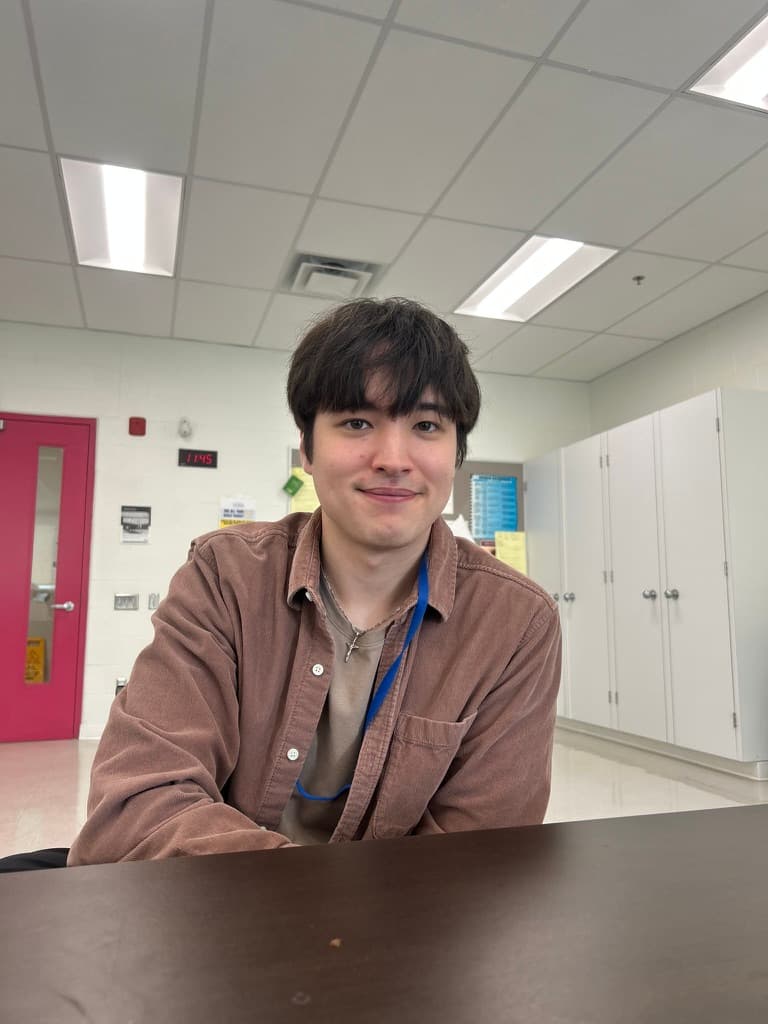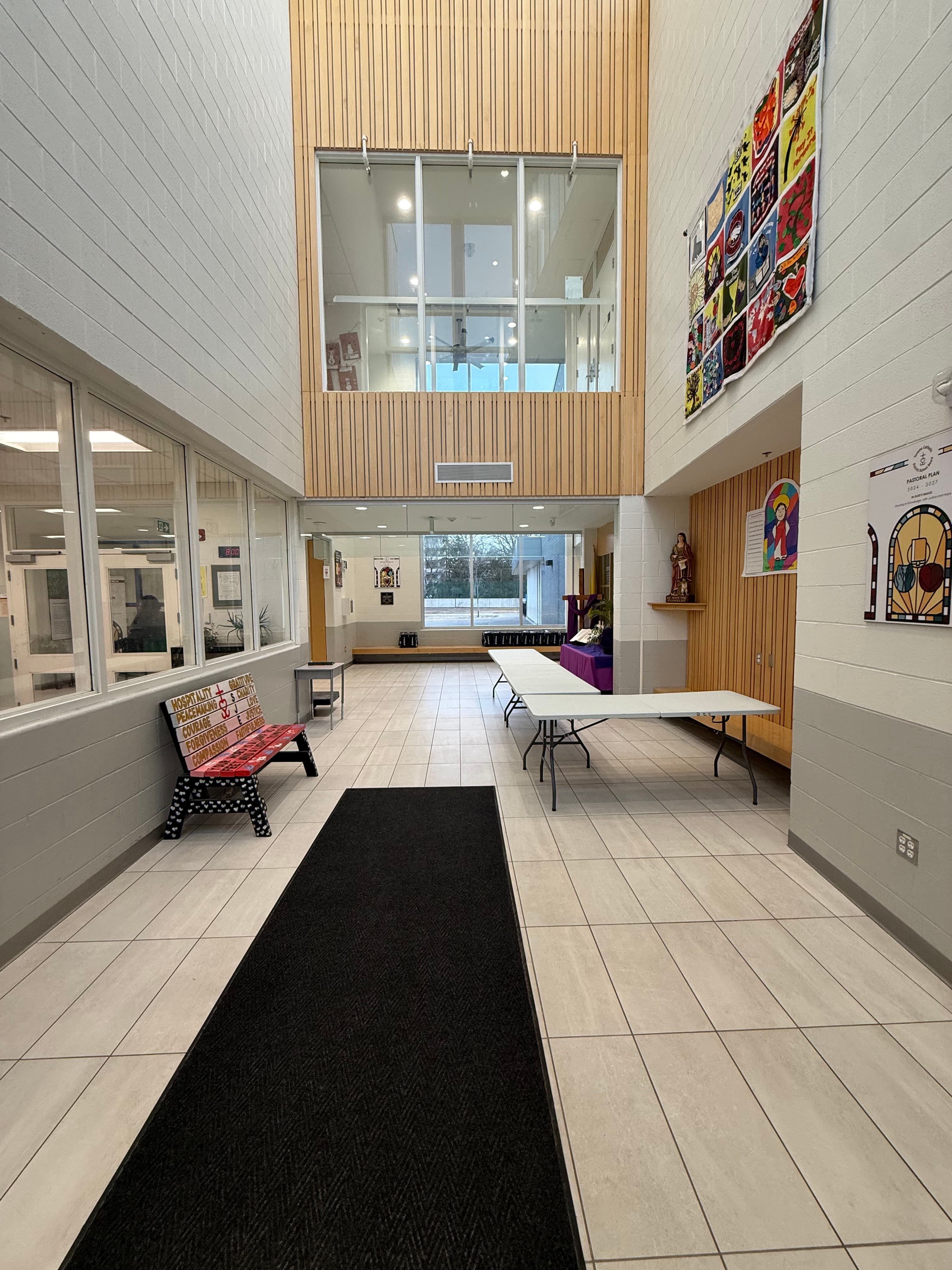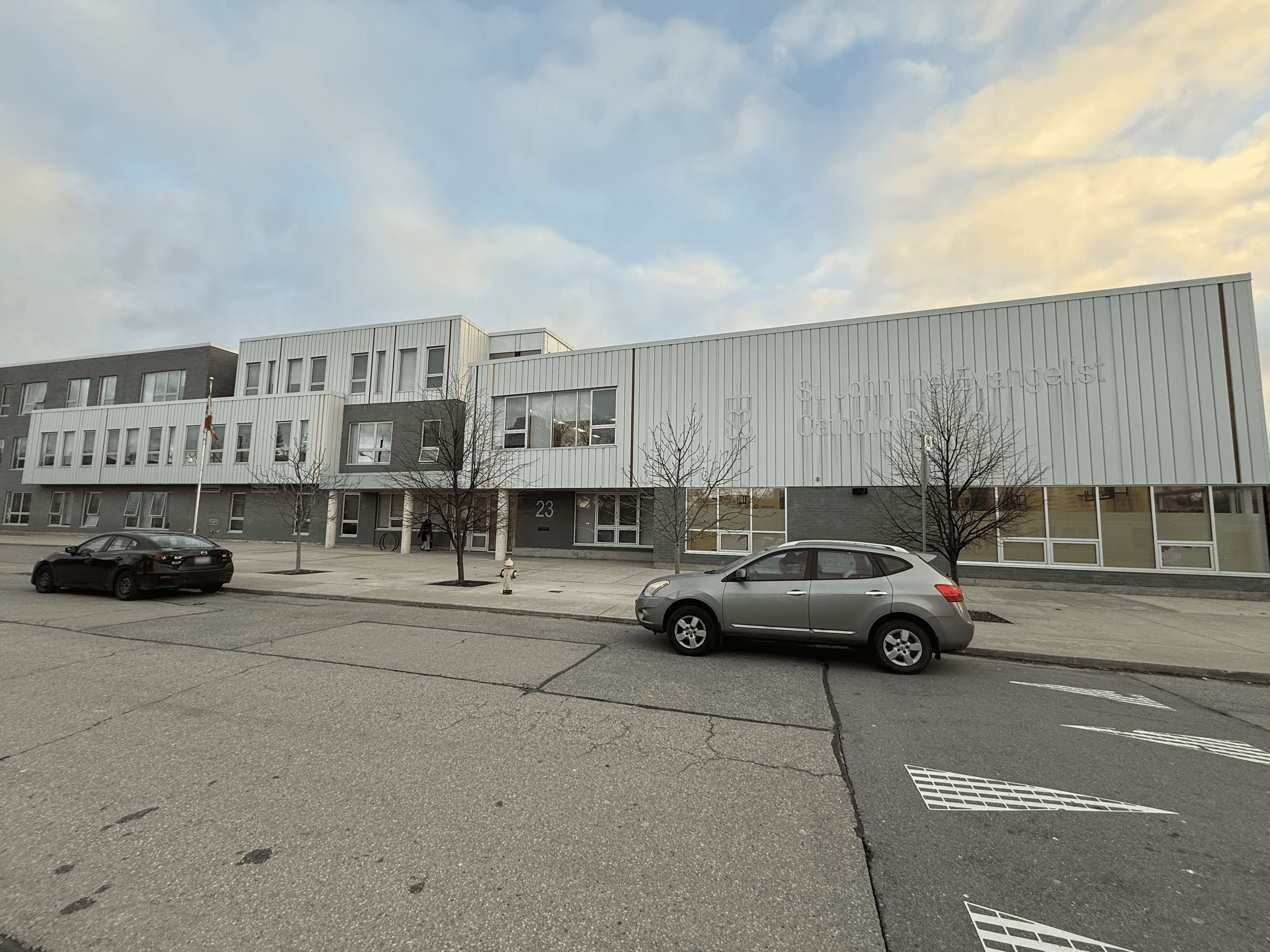
Ethan Um in the classroom

Hi, I'm Ethan Um

I'm an educator committed to helping students grow academically, socially, and emotionally. This portfolio shares my philosophy, classroom practice, and the impact of my work.
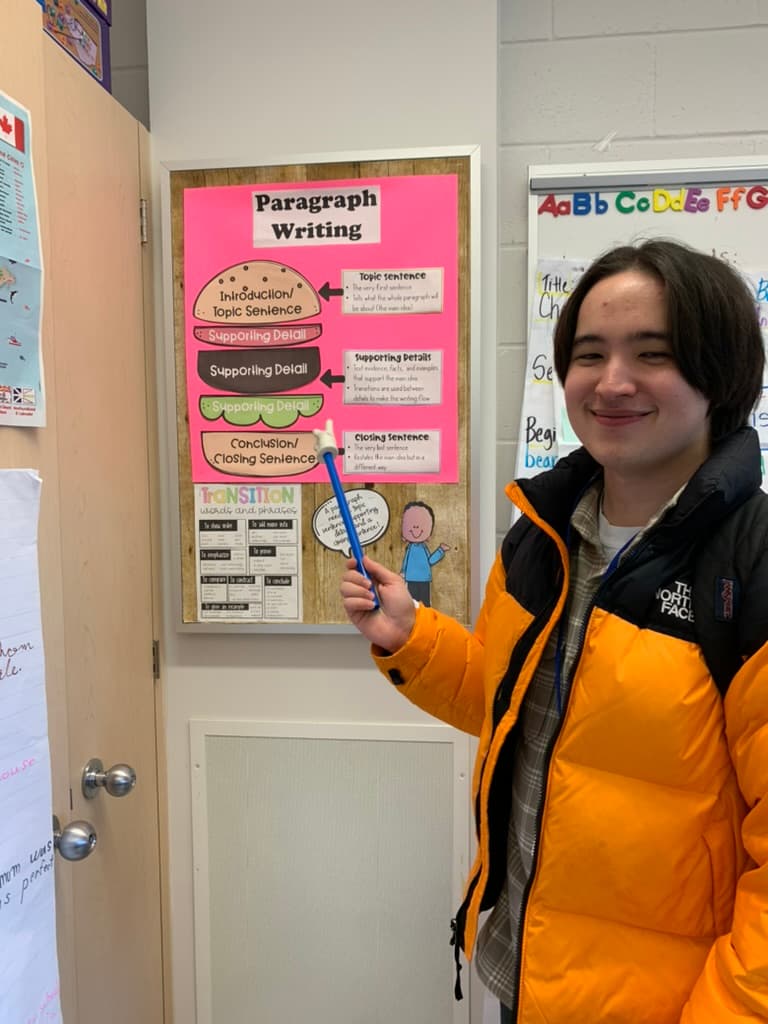
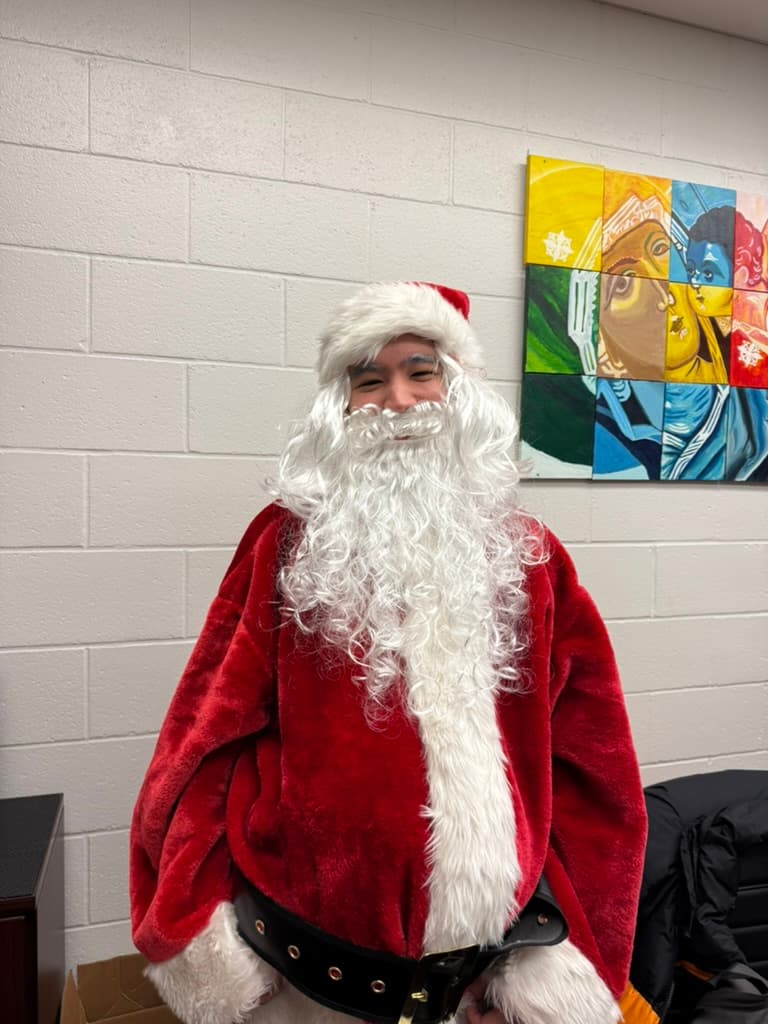
Ethan Um
Ethan Um
Ethan Um

About Me

My name is Ethan Um, a teacher candidate at York University's Catholic Education Centre (CEC) cohort, working toward certification in the Primary/Junior division. During my undergraduate studies, I graduated with honours from Seneca Polytechnic with a Bachelor of Technology specializing in software development.

As an educator, my goal is to create a classroom where every student feels genuinely seen, valued, and capable. I believe that curiosity is one of the most powerful tools a young learner can have, and I am committed to nurturing it, whether through hands-on problem-solving, technology-integrated learning, or simply taking the time to meet each child where they are. My background in software development gives me a unique perspective in the Primary/Junior classroom, allowing me to make abstract thinking tangible and help students develop the critical skills they'll carry far beyond their school years.

My Philosophy

As a primary and junior teacher, I draw from a mix of methods and ground my classroom in mutual respect. I build that respect through clear expectations and clear consequences, so students always know where they stand and what is being asked of them. Fairness and consistency show students that my classroom is a place they can trust. Within that structure, routines become one of my most important tools, creating the safety students need to take risks, ask questions, and engage fully in their learning.

More than anything, I want my students to leave my classroom believing that a wrong answer is not a failure. It is an opportunity to grow. When students feel safe to be wrong, they become curious, resilient learners who are willing to try.

9 Learning Outcomes

01

Learning Outcome #1

Actively engage in the work of the school and classroom to understand the role of stakeholders in creating and sustaining engaging, inclusive, safe, and equitable learning environments.
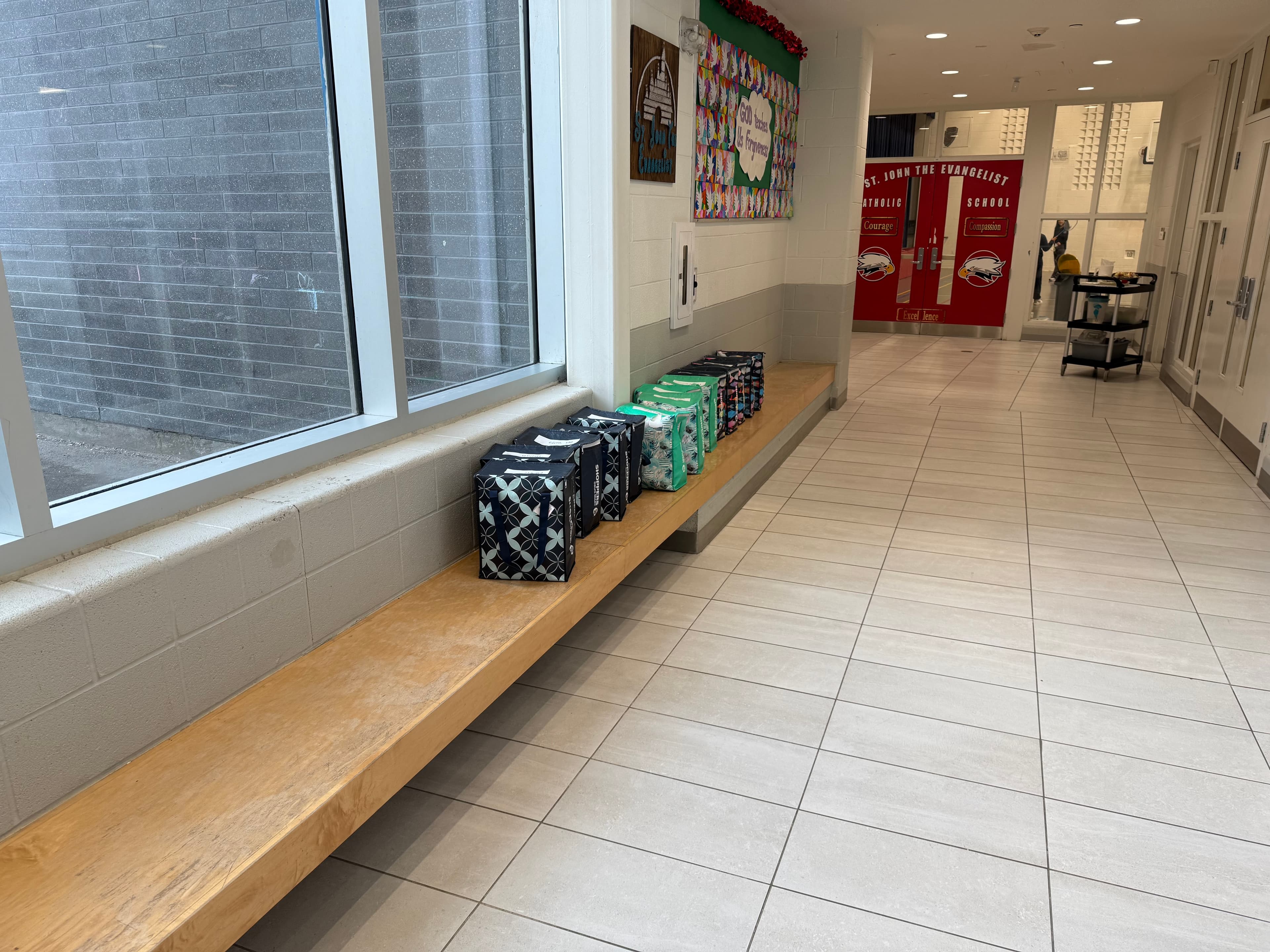
Walking past the snack program cart each morning made me think about how many stakeholders it takes to keep something like this running. Staff, volunteers, and community partners quietly make sure every student starts the day with something to eat, which is a form of equity I had not fully considered before placement. Seeing it in action reminded me that inclusive and safe learning environments depend on people and programs that work in the background long before any lesson begins.
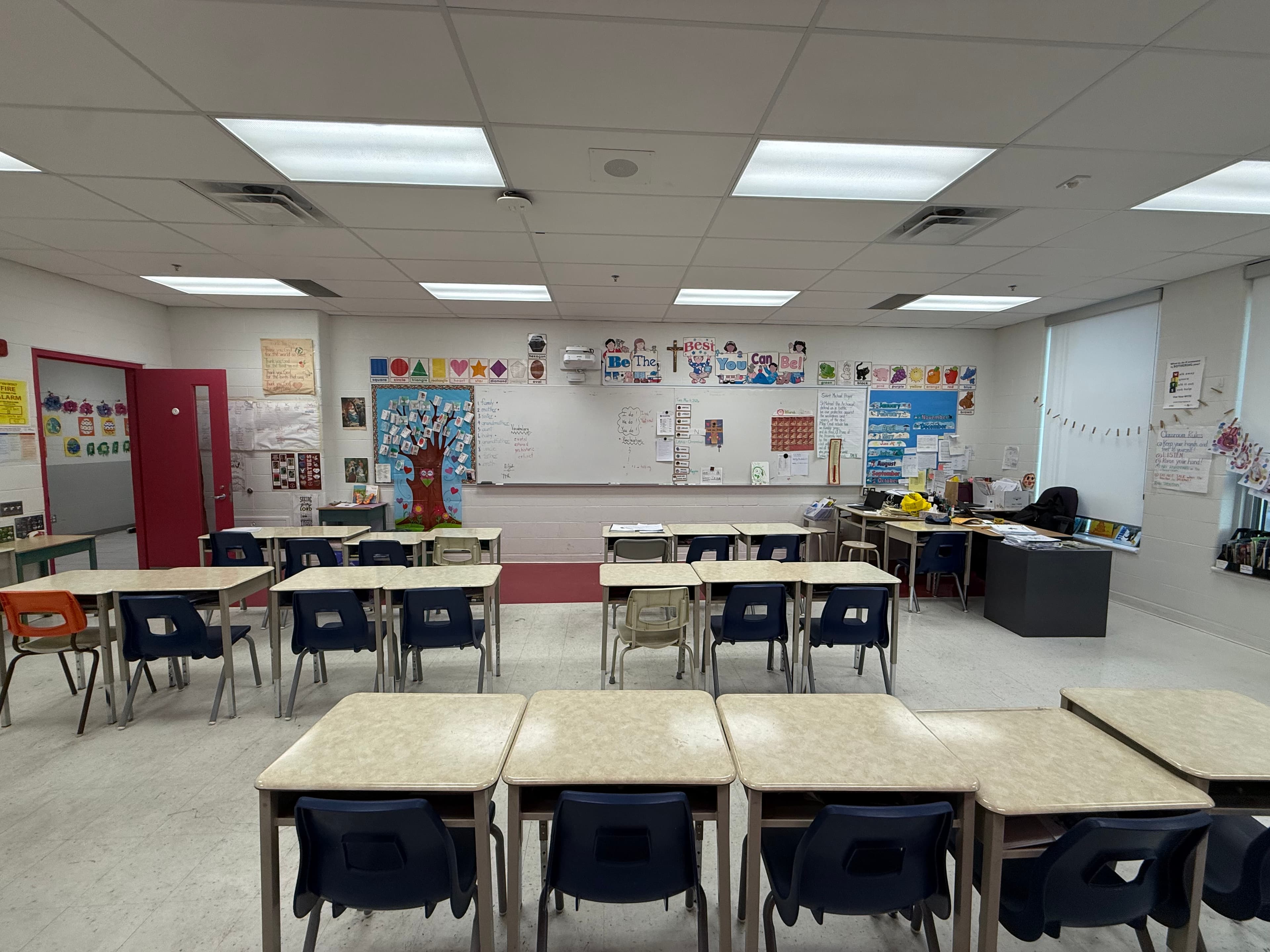
Arriving early and stepping into the empty classroom each morning let me take part in the quiet work that happens before the school day officially begins. Helping tidy desks, check materials, and get the space ready gave me a real sense of how many hands, from custodians to administrators to my mentor teacher, keep this environment safe and welcoming. Being in the room for that part of the day showed me that stakeholders are not an abstract idea. They are the people who make sure kids walk into a classroom that is ready for them.
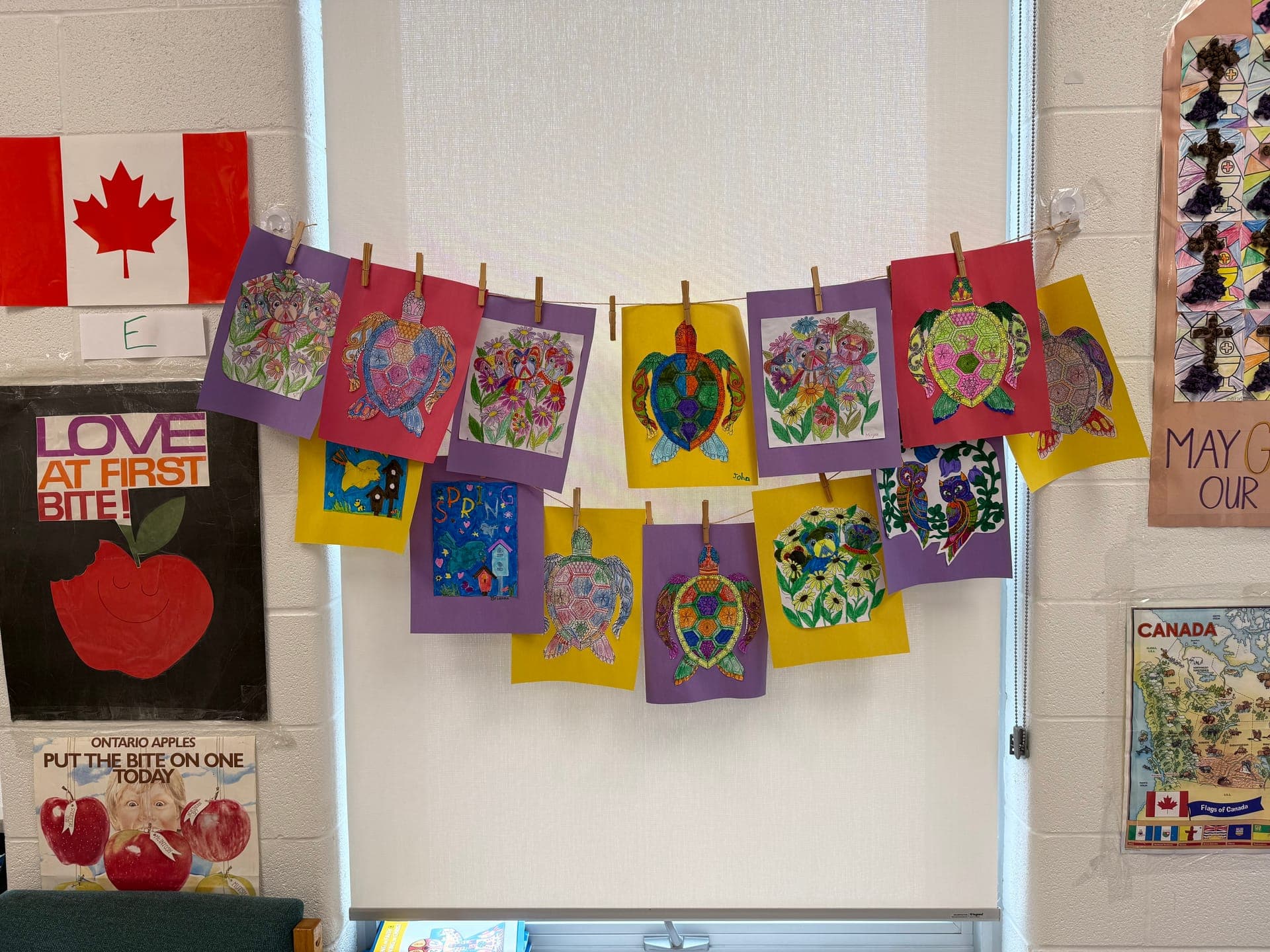
One thing I noticed about my mentor teacher is that she always finds a way to display her students' art, even when it is something small like these turtle pieces hung up on a line. Putting every student's work up, no matter how simple the project, sends the message that what the kids make in the classroom is worth showing off. Seeing her do this consistently showed me how much a teacher shapes an inclusive environment just by choosing to celebrate every child's work.
02

Learning Outcome #2

Demonstrate a professional manner aligned with the Ontario College of Teachers Standards of Practice and Ethical Standards.
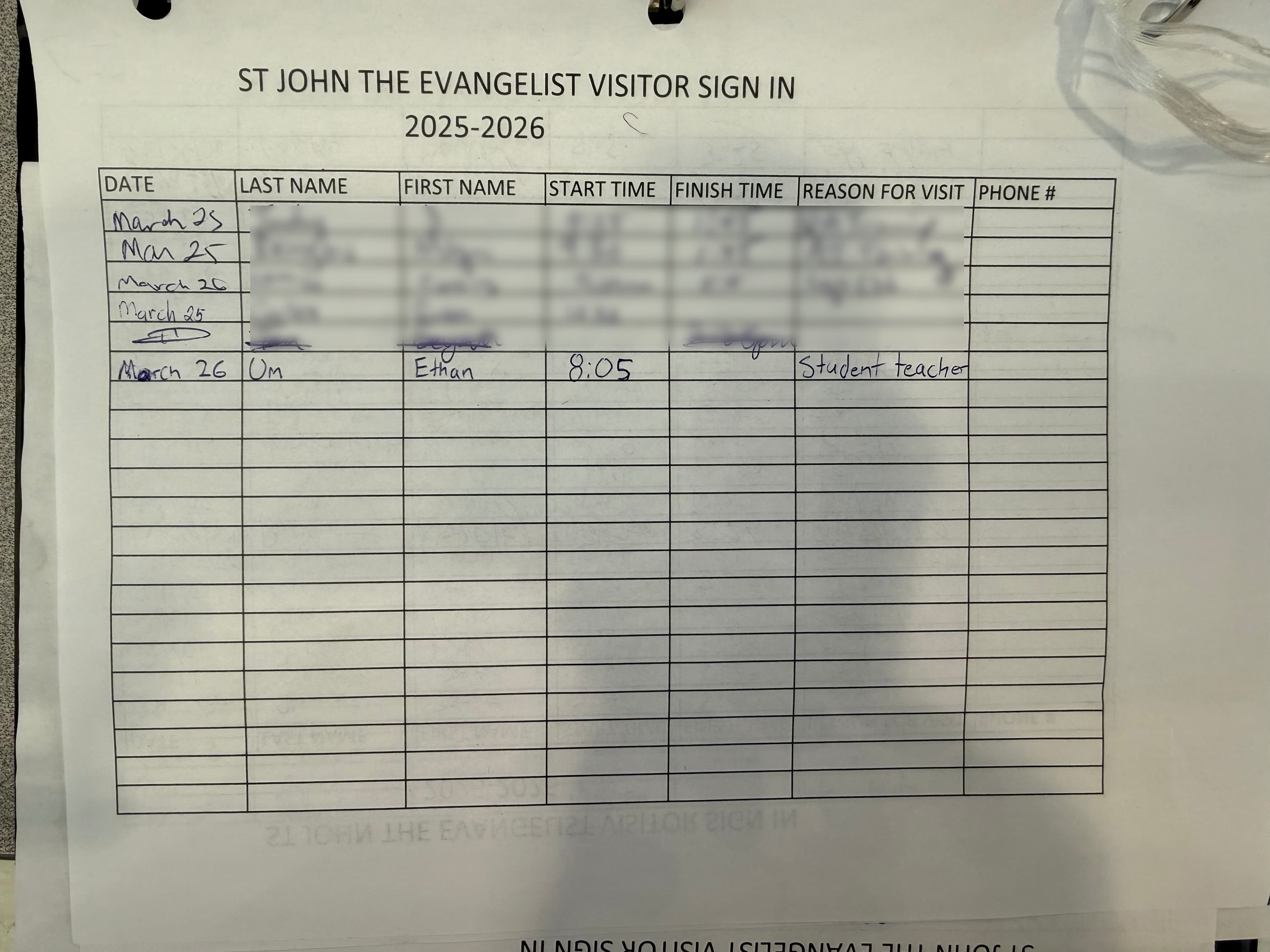
Signing in at the front office every morning was how I made sure I was on time for every single day of placement. Being early gave me a few quiet minutes to settle in, review my plan for the day, and be ready before the students arrived. Showing up on time so consistently is part of the OCT Standards of Practice around commitment to students and ongoing professional learning, and the sign-in sheet was my small daily way of holding myself to that.
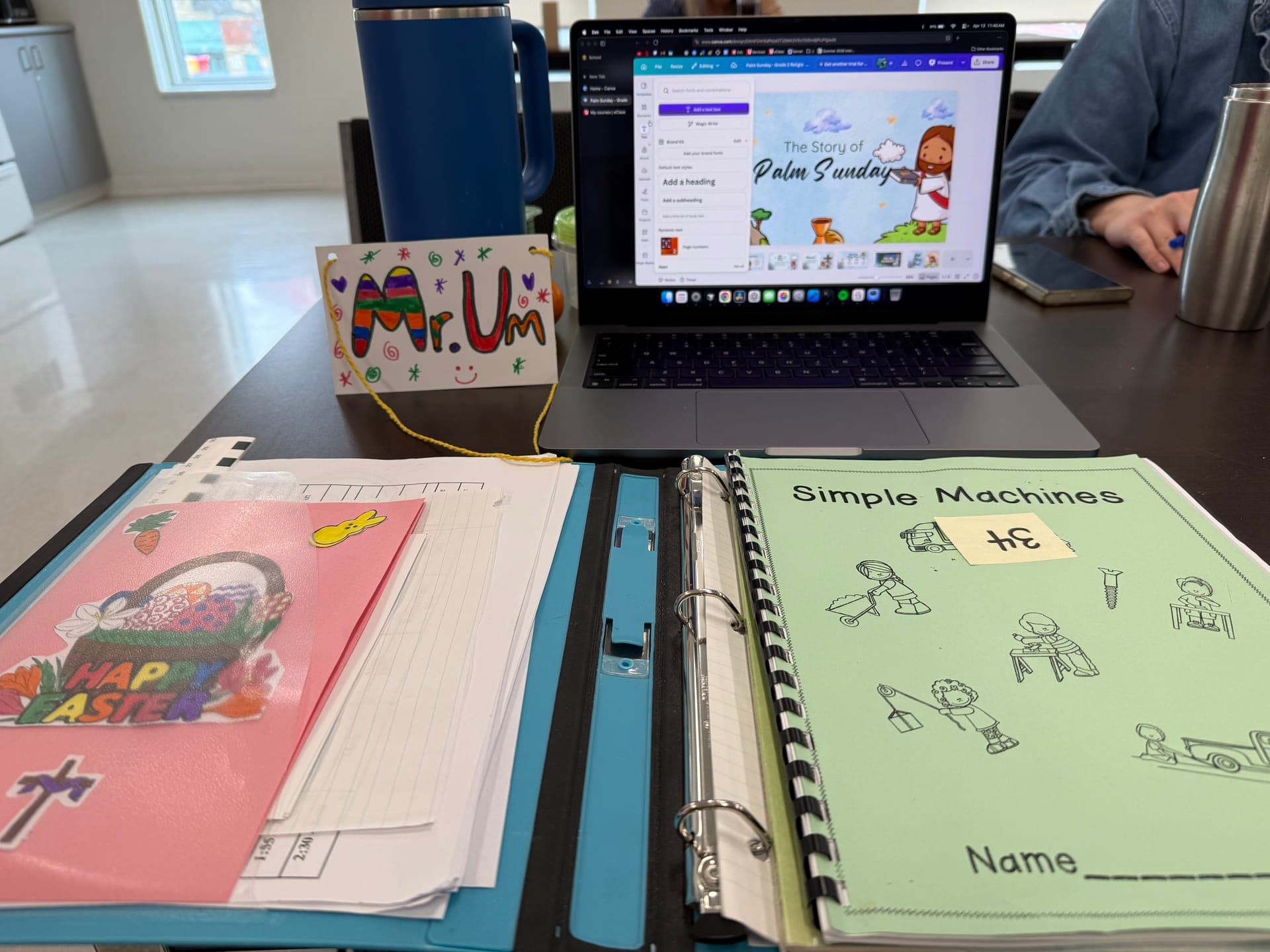
This was my setup one morning as I prepared a Palm Sunday lesson alongside a Simple Machines booklet, with my practicum binder open beside me. Taking the time to plan carefully, keep my materials organized, and review OCT advisories is how I try to live up to the Standards of Practice rather than just memorizing them.
03

Learning Outcome #3

Develop professional relationships with students, teachers, other teacher candidates, school staff, parents, and others.
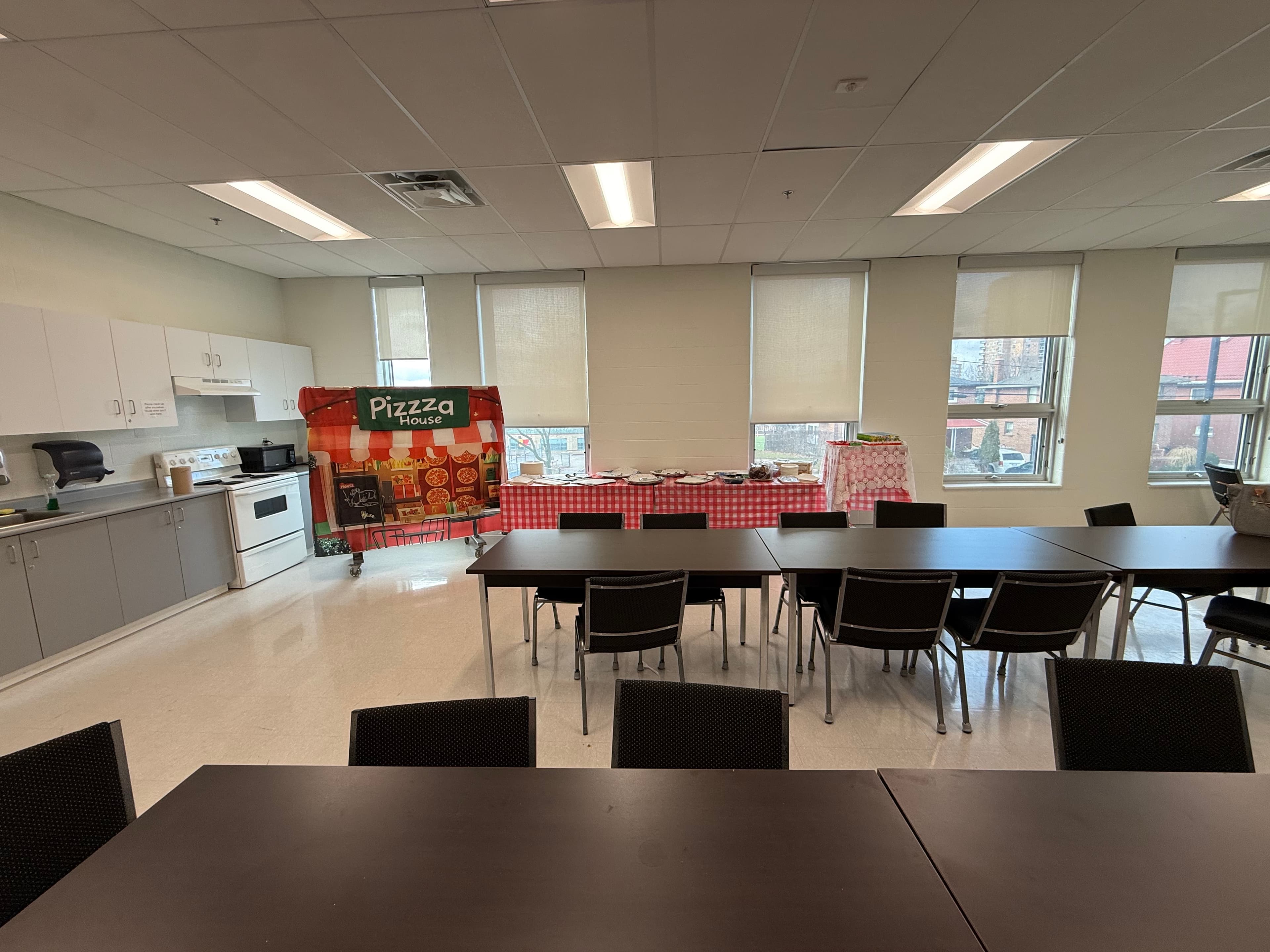
Stepping into the staff room for the first time felt intimidating, but it quickly became one of the best places to listen and learn from experienced teachers. Conversations over coffee here gave me real insight into how staff collaborate across grades and share strategies that never make it into a lesson plan. Being welcomed into that space helped me see myself as a colleague in training rather than an outsider just passing through.
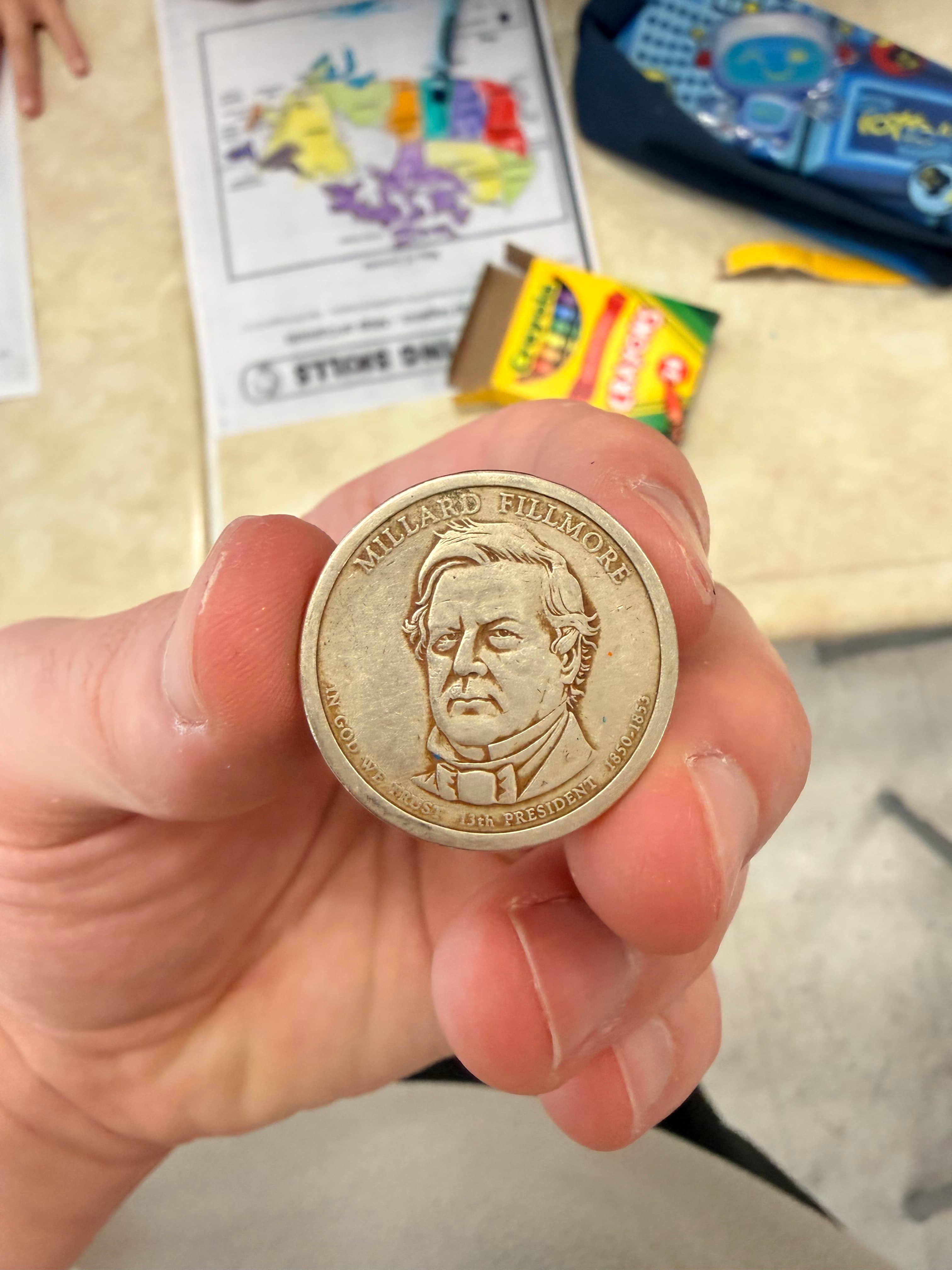
One of my students pulled me aside to show off their Millard Fillmore coin, and I could tell it was something they were really proud of. I snapped a quick picture of it so that at recess I could look up who Millard Fillmore was and come back with something to tell them about it. Taking that small extra step to follow up on what they cared about is the kind of thing that builds real trust with students.
04

Learning Outcome #4

Actively engage 100% of the school day in the work of the school to support student learning.
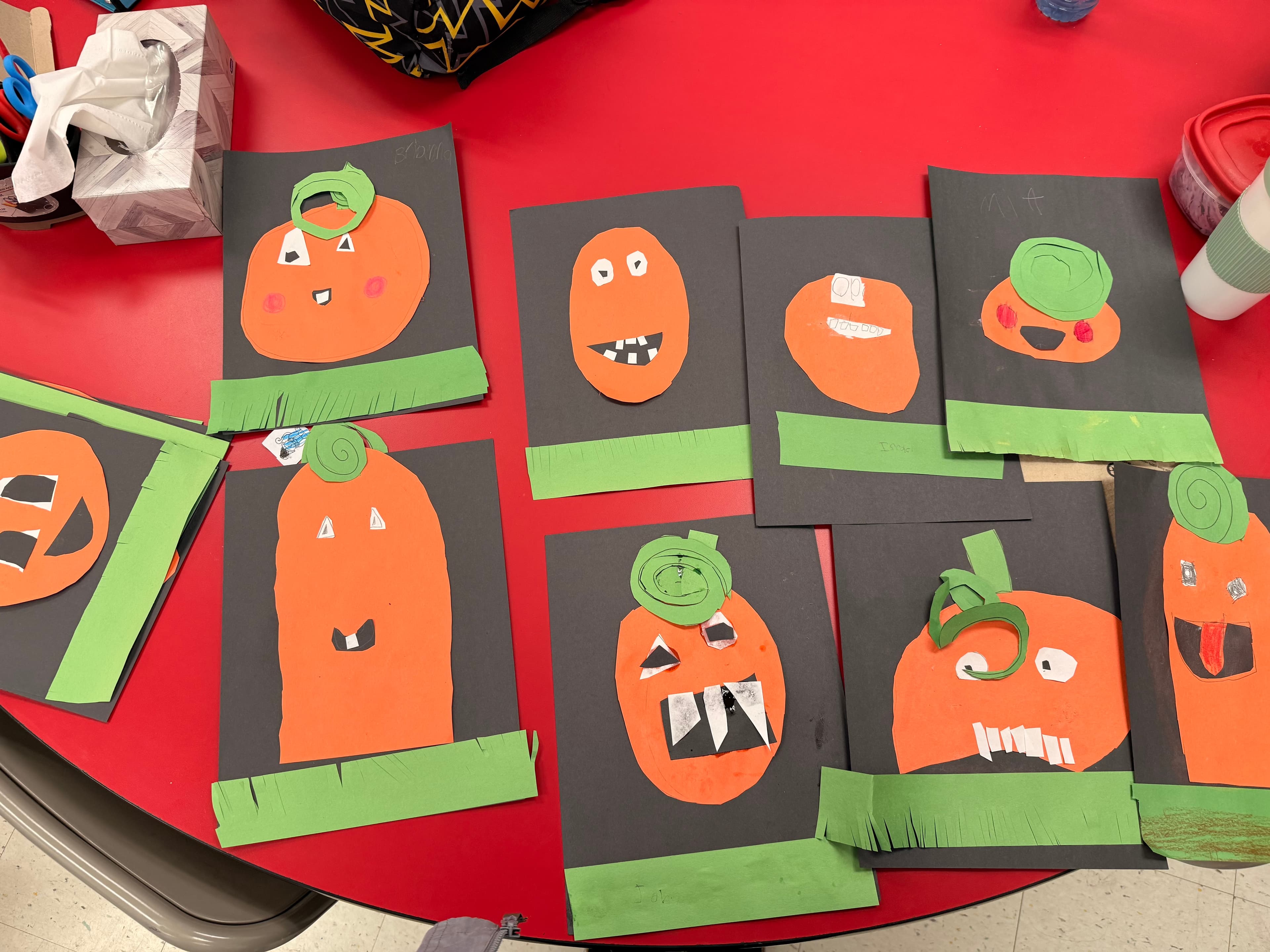
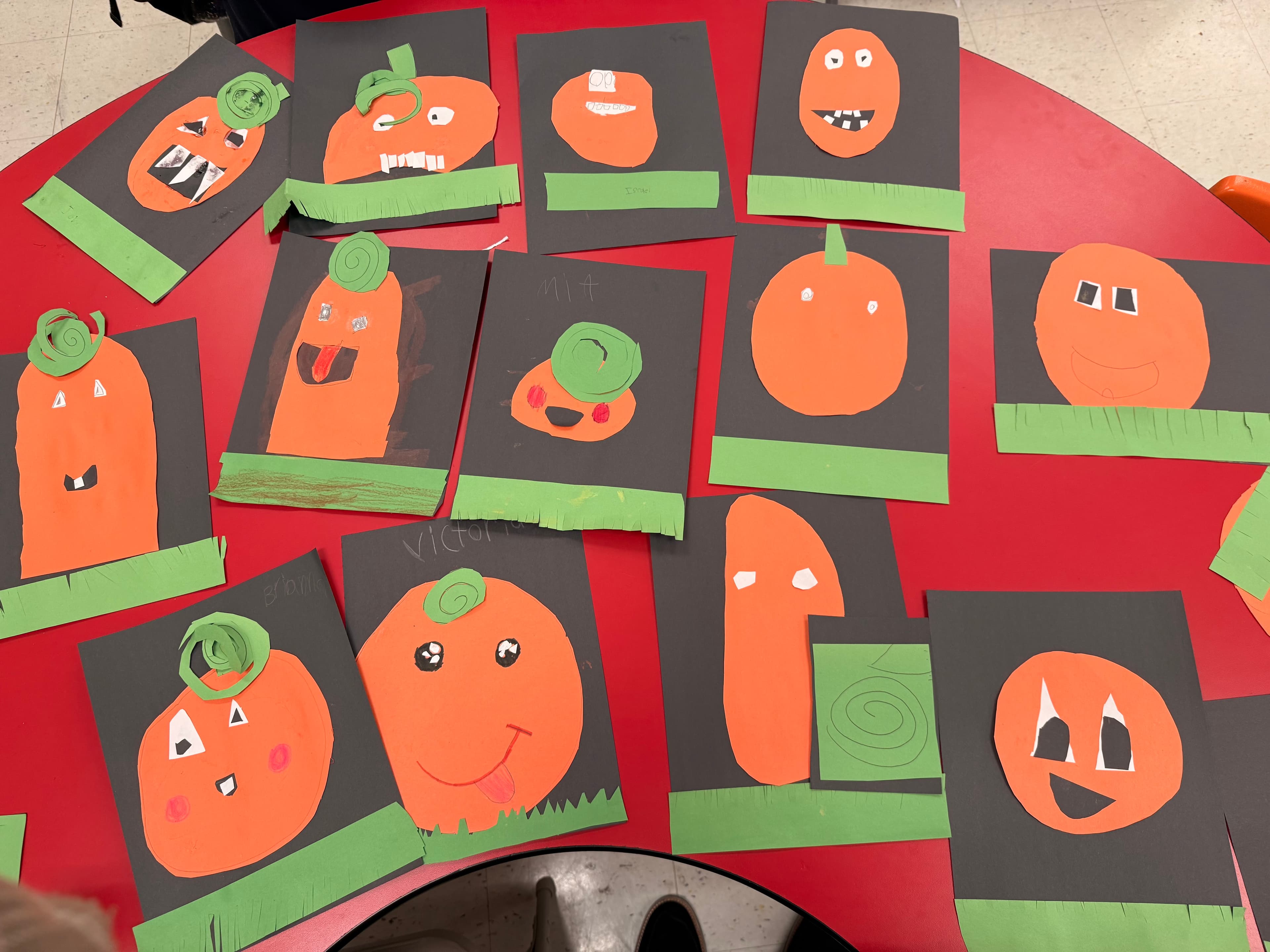
Leading the Halloween pumpkin art activity was one of the first times I stepped in as the teacher rather than the observer, and these finished pieces are the result. I moved between tables helping students with scissors, glue, and the small decisions that build their confidence in their own work. Being fully engaged in a creative lesson like this showed me how much support students need in the background, even when an activity looks open-ended.
Laying the pumpkins out together at the end let us admire the variety of faces and personalities the class had come up with. While we tidied, I had natural one-on-one conversations with students about what they liked in their work and what they found tricky. It was a good reminder that support does not stop when the lesson ends, and the wrap-up is just as much a teaching moment.
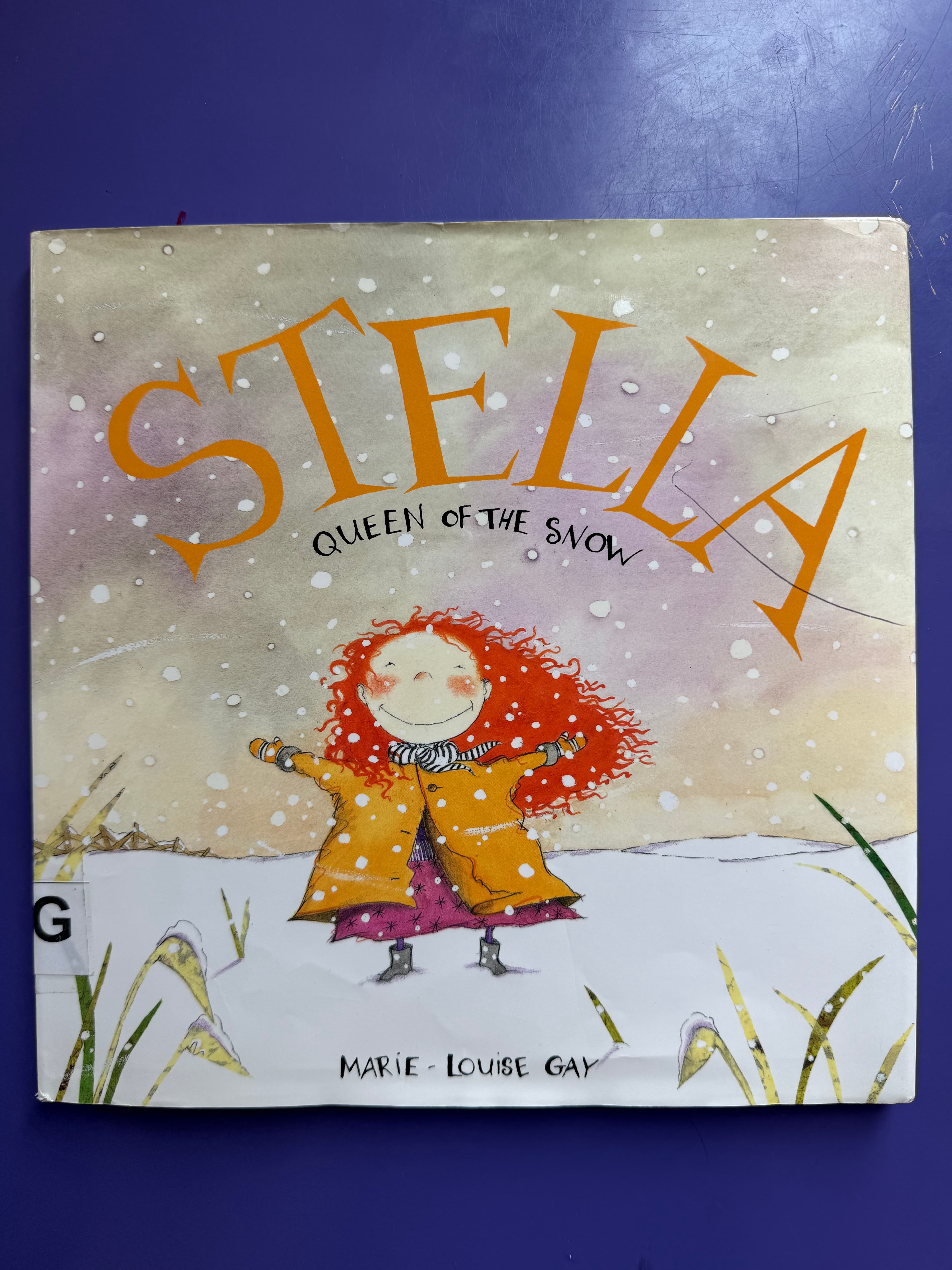
Stella Queen of the Snow was one of the books I pulled from the classroom shelf for our morning read aloud, which became the way I started almost every day with the class. Opening the day with a story helped the students settle in, and it gave me a consistent moment to connect with the whole room before we moved into lessons. Building that routine showed me how much a simple read aloud can set the tone for the rest of the school day.
05

Learning Outcome #5

Reflect on how school structures, including physical environment and activities, impact student learning.
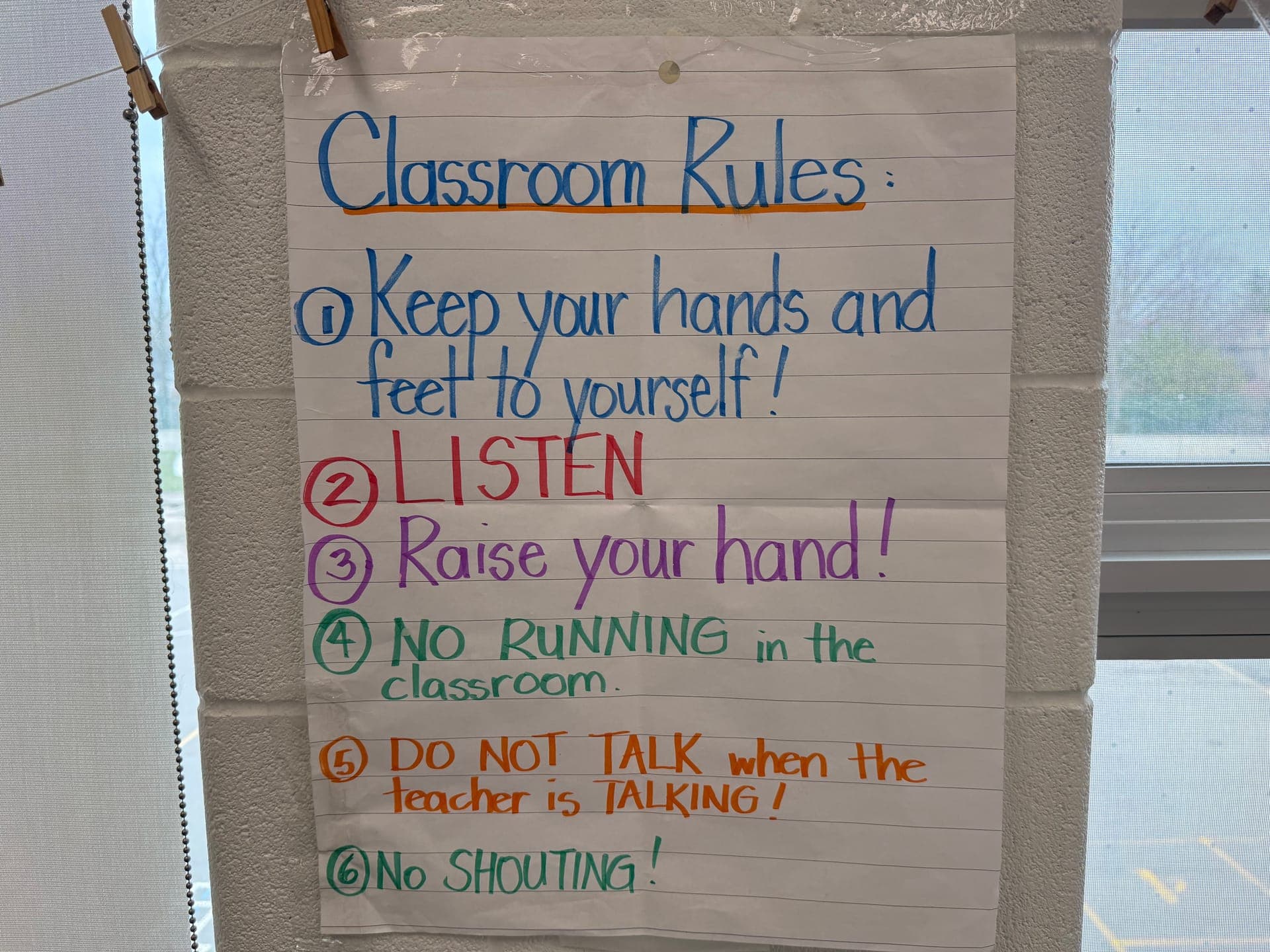
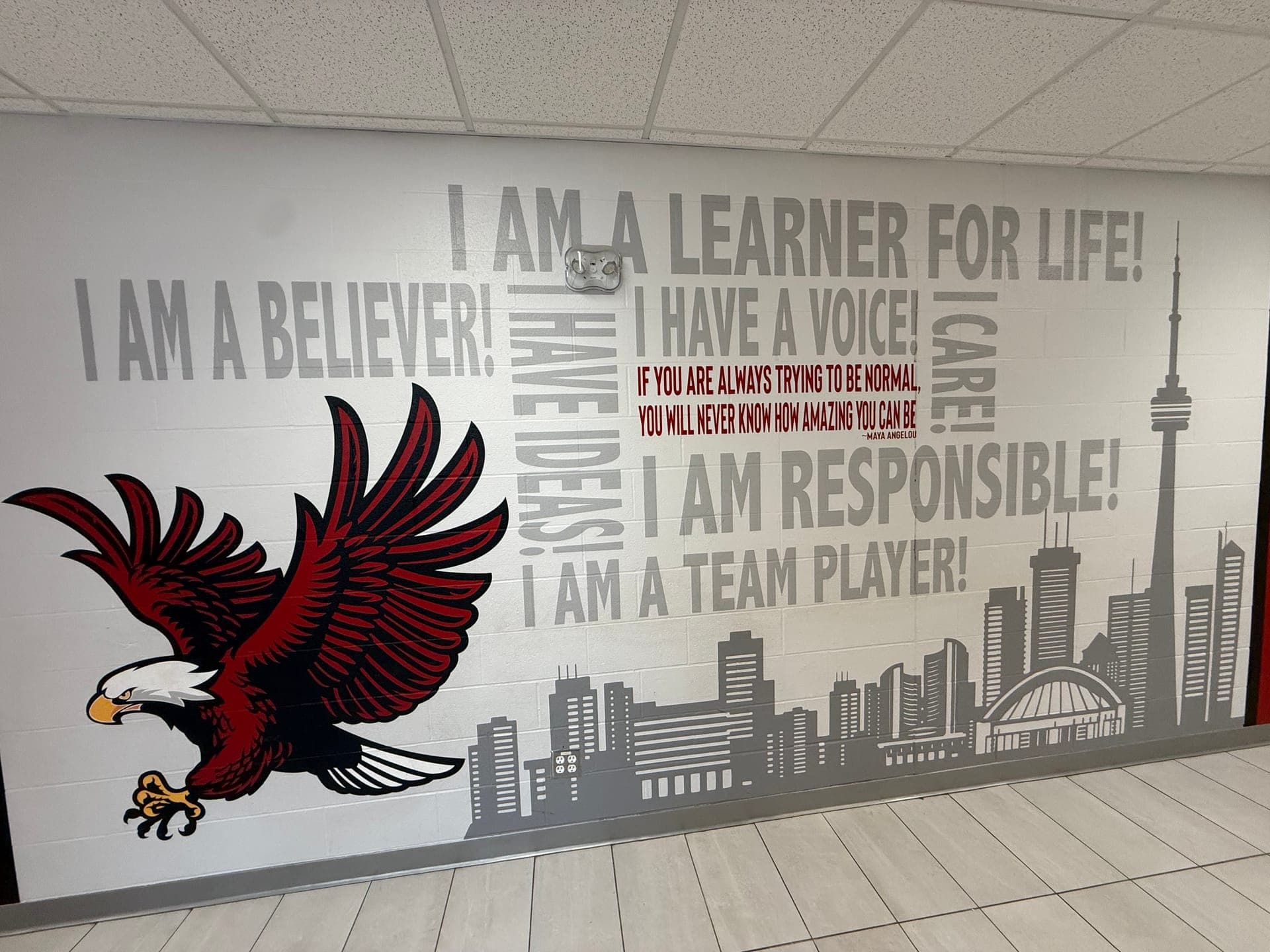
One thing I noticed throughout my placement was that my mentor teacher was constantly trying to optimize the student seating in the room. She would move desks around, switch partners, and rearrange groups whenever she felt a setup was no longer working for the class. Watching her tweak the seating so often showed me how much the physical arrangement of a room shapes student focus and behaviour, and how a classroom is never really finished being set up.
The classroom rules were posted right at the front of the room where every student could see them from their desk. Having the expectations visible at all times meant that reminders could be quick and consistent, and students could look up and check the rules for themselves instead of waiting to be told. Reflecting on this made me realize that something as simple as where a poster is placed can have a real effect on how a class runs day to day.
Walking past this mural every morning on the way to class was a small ritual that I came to appreciate more than I expected. Messages like "I am a believer" and "I have a voice" are not just decoration, because kids read them, repeat them, and begin to absorb the identity the school is building around them. Reflecting on this helped me see how the physical environment carries the values of a school even in the hallways.
06

Learning Outcome #6

Reflect critically on links between theory and practice in Ontario schools.
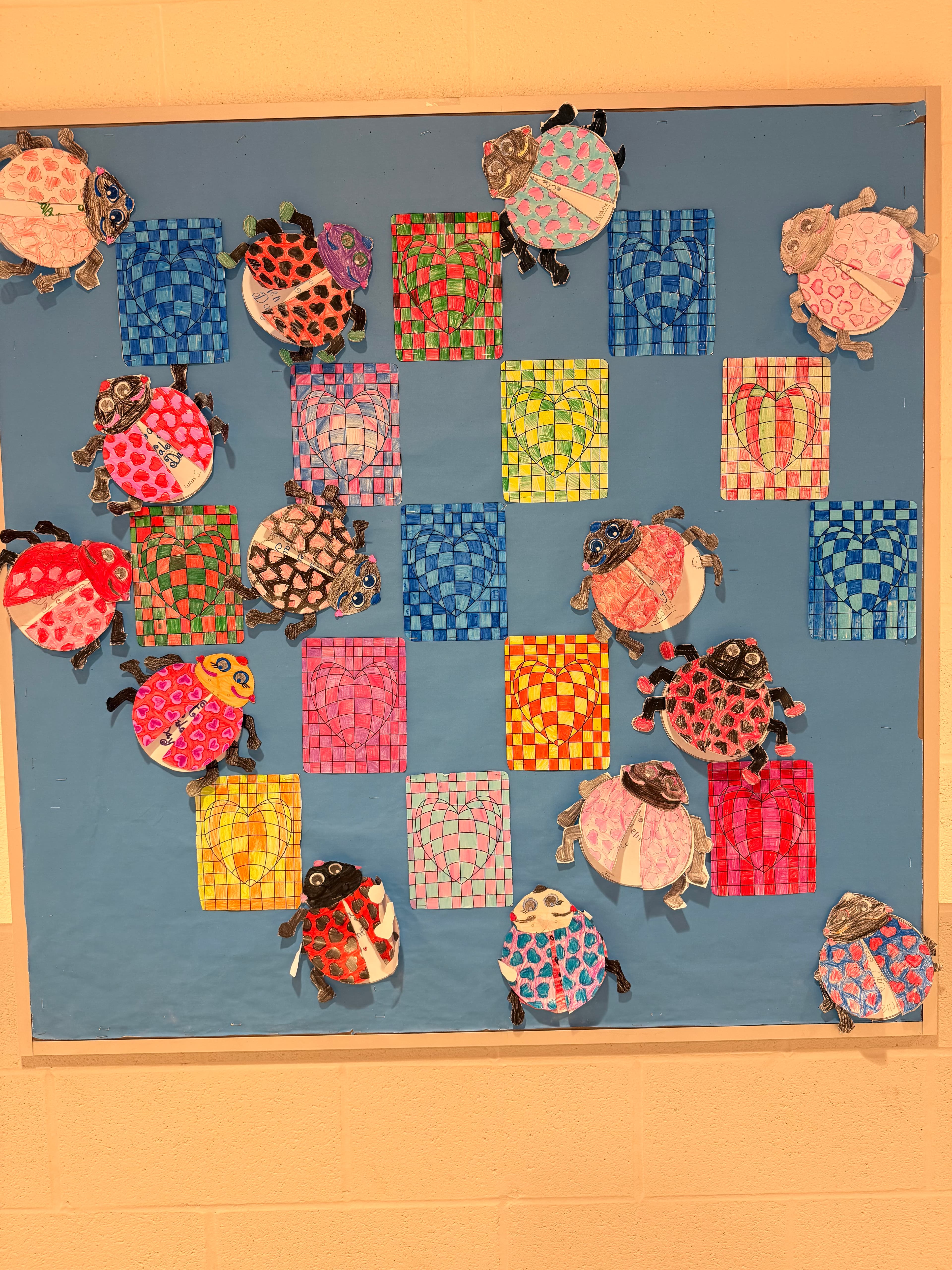
For this lesson, students colored patterns inside a heart grid, picking their own colors and repeats to fill each row. The activity lined up with Ontario's grade 2 patterning expectations in math, but it came alive as an art piece on the wall, which is exactly the cross-curricular integration I had been reading about in coursework. My mentor teacher pinned every heart up together on the hallway board, and seeing the whole class's work displayed out there made the theory concrete for me, because each piece was a student's solution to a patterning problem even though none of them would have called it math while they were coloring.
This was the slideshow I built for my Earth Day lesson, starting from a Canva template that I modified to make it appropriate for a grade 2 audience. Reworking the template forced me to move theory off the page and into a real plan. I used backwards design to start from what I wanted students to walk away understanding, then adjusted the slides, visuals, and questions to match a grade 2 level. I also followed Universal Design for Learning by pairing text with images and short video clips so students had more than one way into the content. Seeing the class respond to the slideshow the next day was the clearest theory-to-practice moment I had all placement, because every design choice on screen came from something I had read about and was now watching work in front of me.
07

Learning Outcome #7

Investigate learning from a micro-level perspective in support of individual and small-group learners.
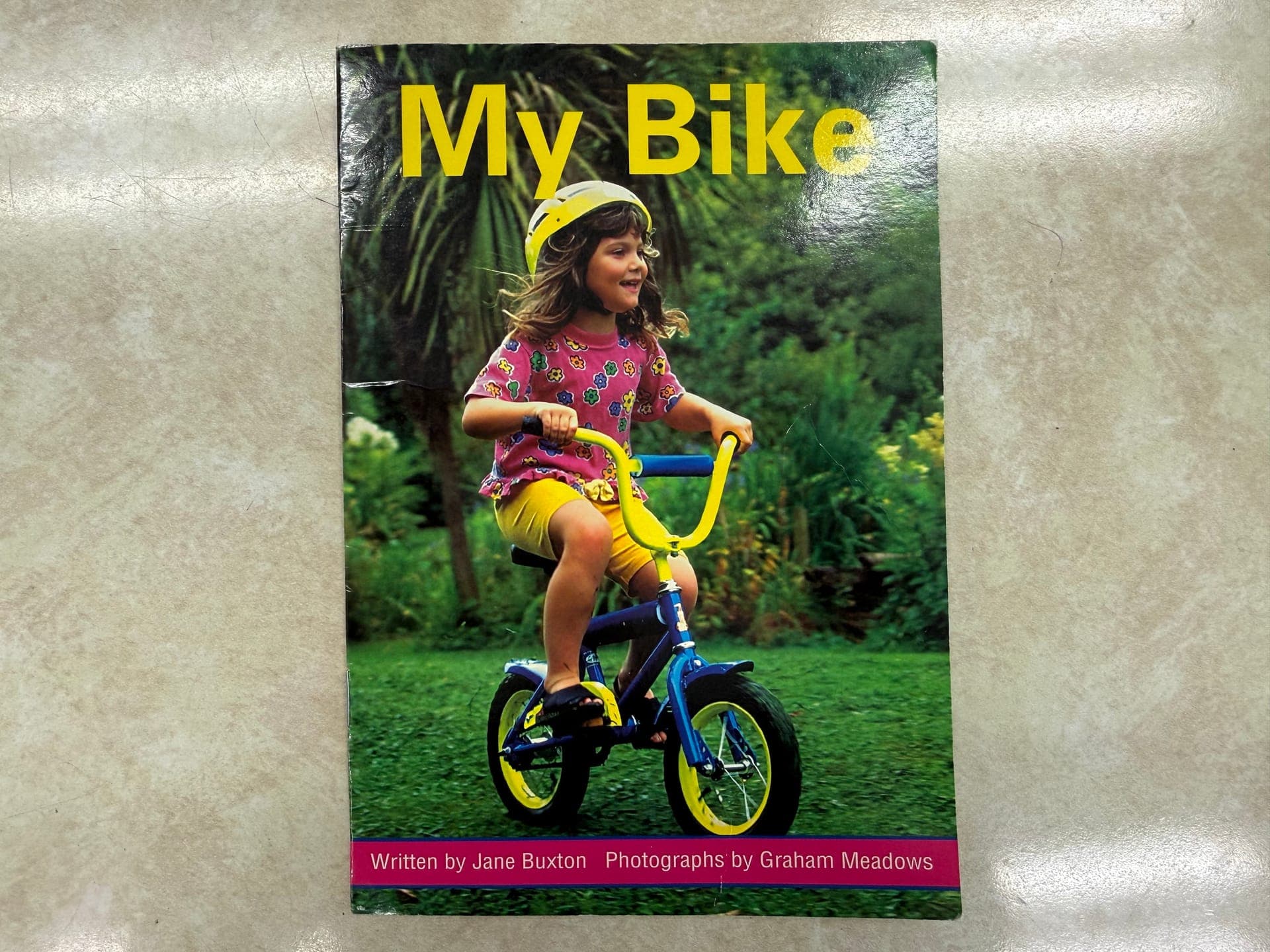
My Bike was one of the levelled books I used in a one-on-one reading session with a student, picked to match where they were for their grade level. Sitting beside them and working through a text chosen at the right level let me slow down, check for understanding, and give them a reading experience they could actually succeed in. Those individual reading sessions were where I learned the most about meeting a student exactly where they are.
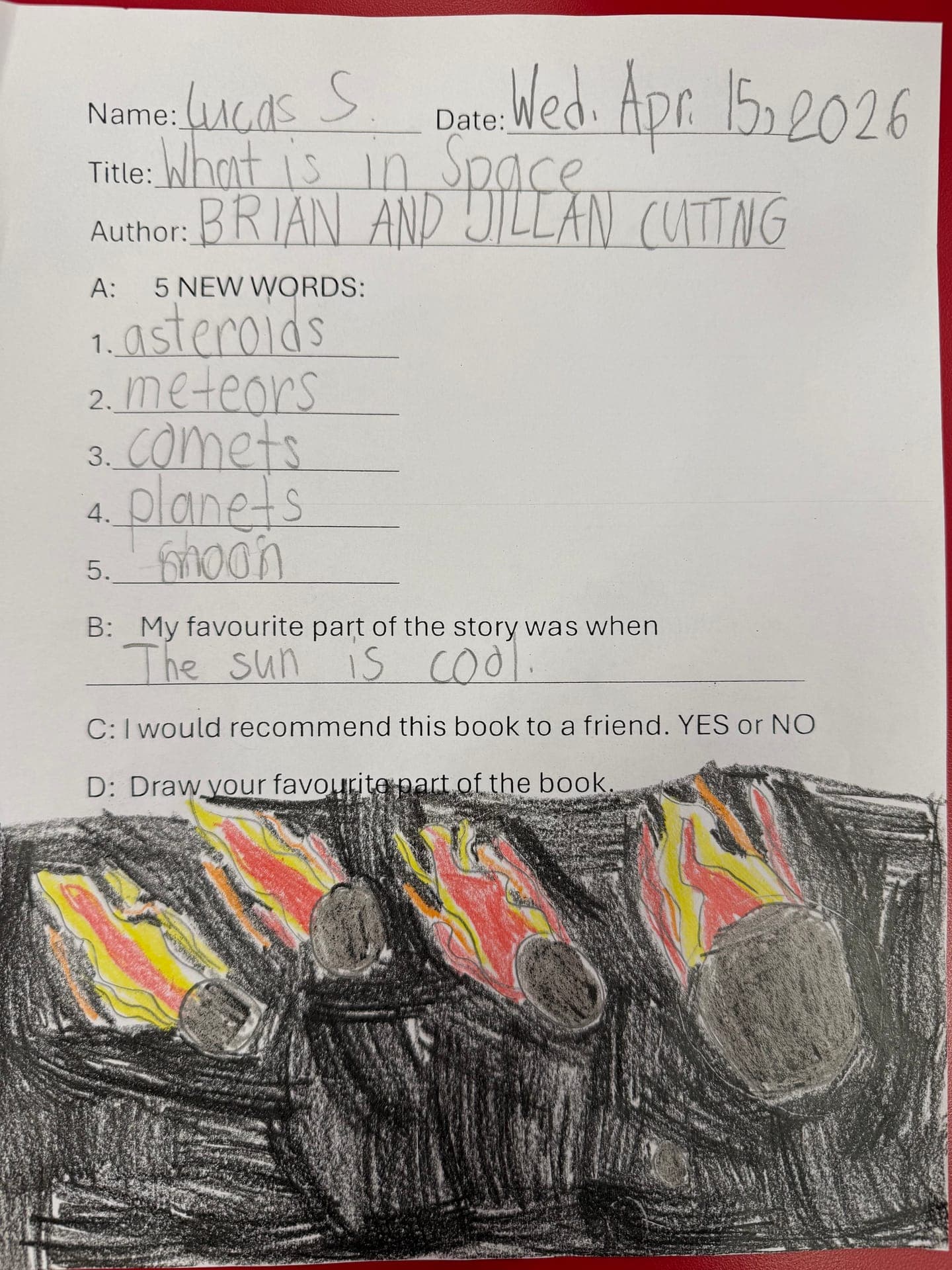
A student and I read What is in Space together one-on-one, using a book matched to his grade level so he could focus on the reading itself instead of struggling with text that was too hard. Afterwards, we worked through this response sheet side by side, and his new words, his answer that the sun is cool, and the meteor drawing each showed me how he was making sense of what he had read. Working with him individually on a right-fit book is how I saw the real value of pitching texts to each student's level.
08

Learning Outcome #8

Observe and reflect on the impact of Ontario Ministry policy and documentation on learners and school environments.
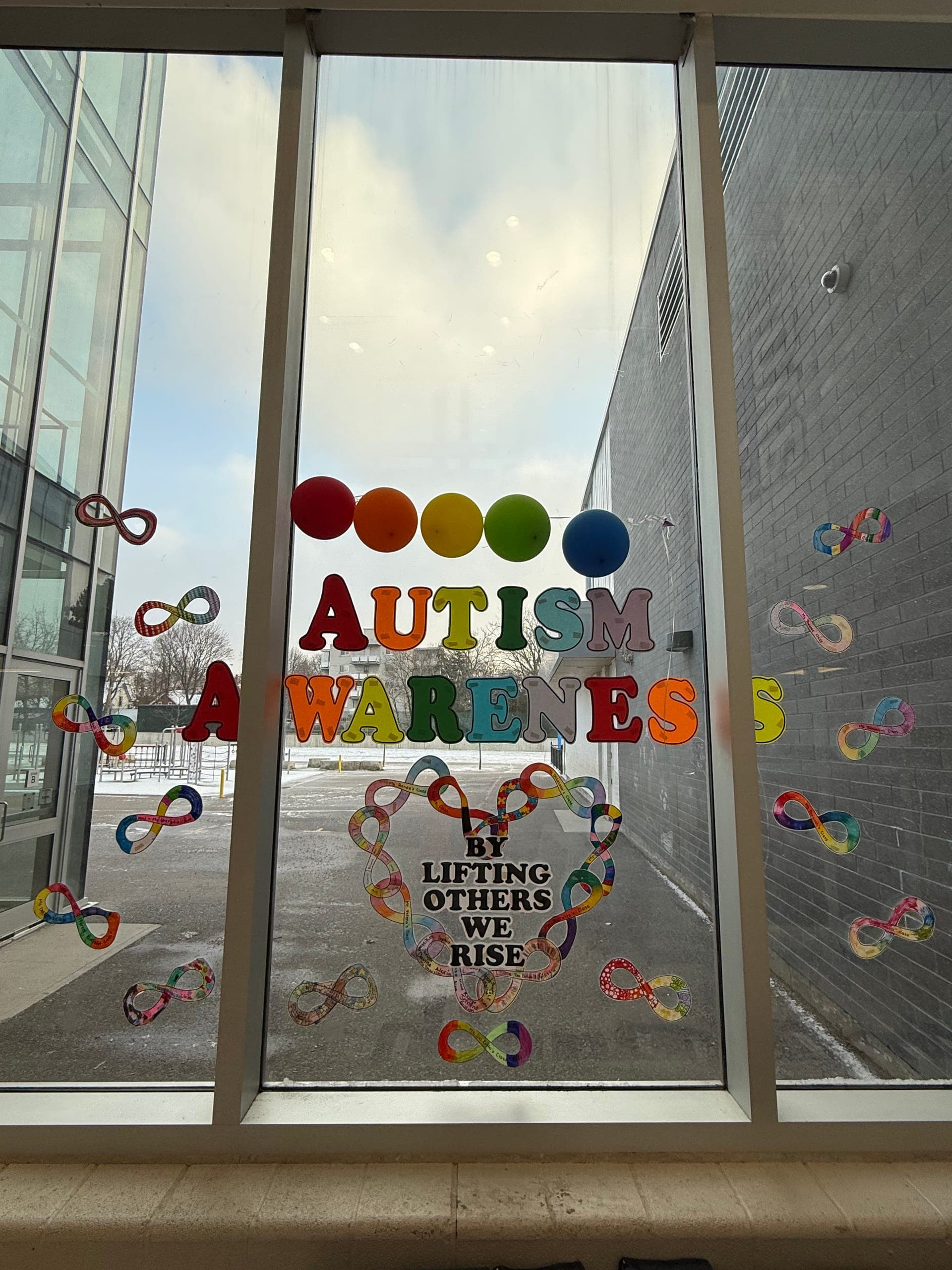
This Autism Awareness window display went up in the front hallway during April, and it was the first thing families saw when they dropped their kids off. Ontario Ministry documents on inclusive education can feel abstract until you see them show up in the everyday spaces of a school like this. Seeing policy translated into something students can point to and feel proud of showed me what equity in action really looks like.
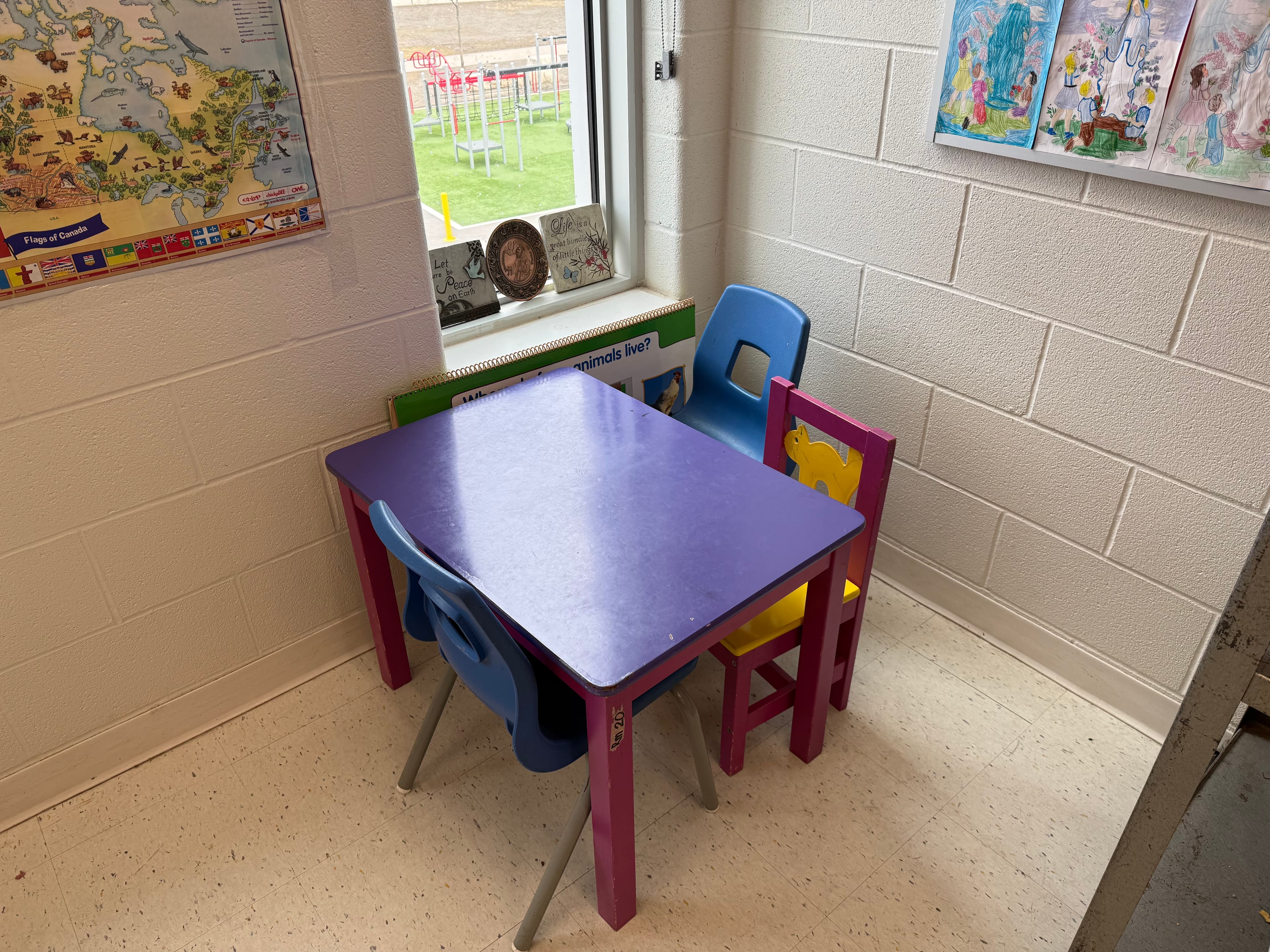
This corner table was the spot my mentor teacher used for small group and one-on-one work with students who needed something different from the whole class lesson. Pulling a few kids over here meant she could differentiate on the fly, whether that was reviewing a concept, breaking a task into smaller steps, or giving extra support at their level. Watching her work with students at this table is what Ministry guidance on differentiated instruction and inclusive classrooms actually looks like in a real room.
09

Learning Outcome #9

Observe and reflect on the impact of strategies and resources on learners.
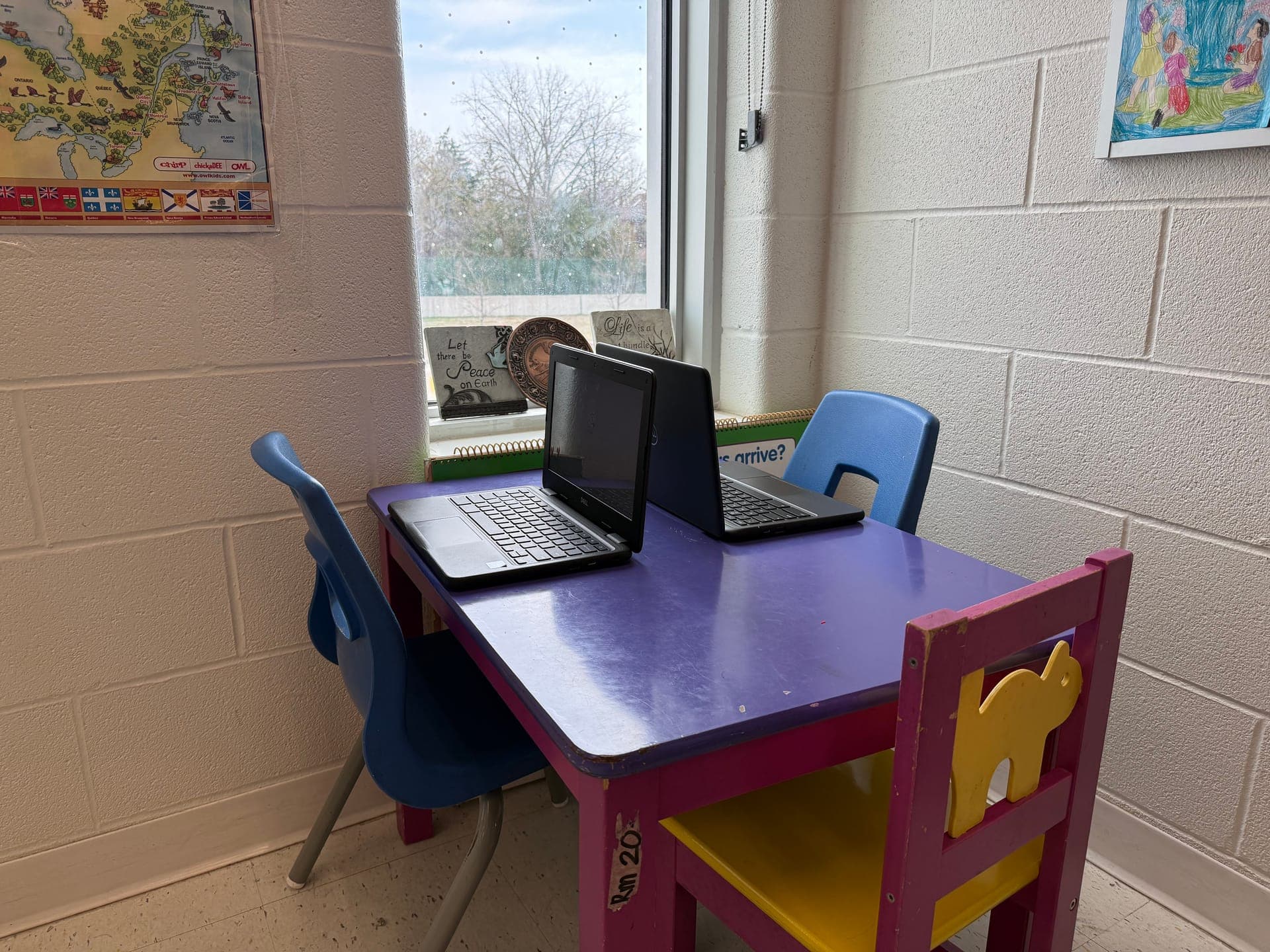
The classroom Chromebooks were one of the most consistent resources students reached for, especially when they logged into sites like Starfall and Lexia for independent literacy work. Watching different learners move through the same platforms at their own pace showed me how digital tools can quietly differentiate a lesson without anyone feeling singled out. Seeing Starfall and Lexia in regular rotation pushed me to think about how the right resource, matched to the right student, can carry a surprising amount of the instructional weight.
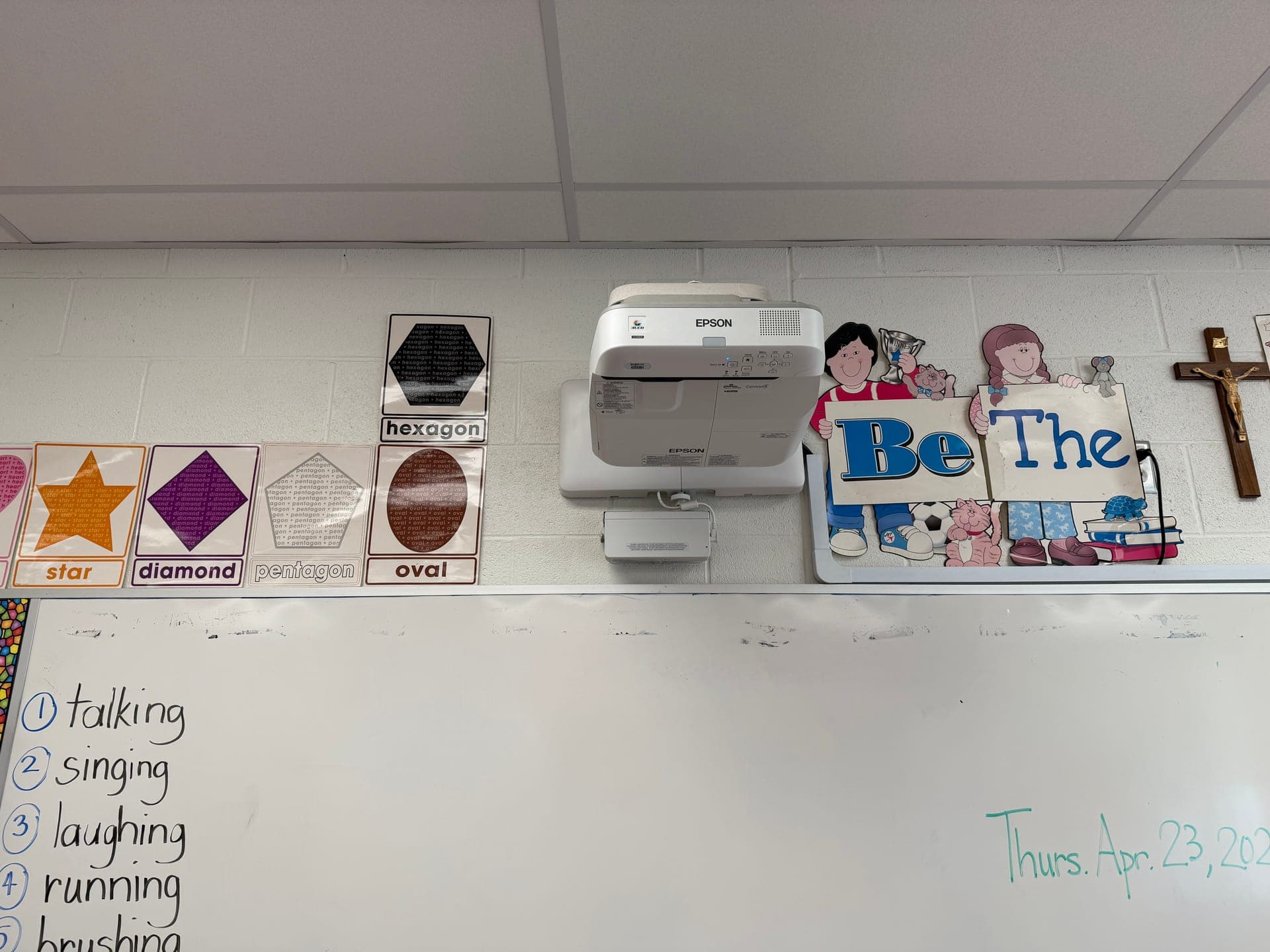
The projector above the whiteboard was the tool I used most often during my lessons. I relied on it to run slideshows when introducing new material and to show educational videos that helped bring topics to life for the students. Pairing visuals with my explanation gave students another way into the content, and I could see it helped the kids who struggle with text-only instruction follow along and stay engaged.

Photo Gallery

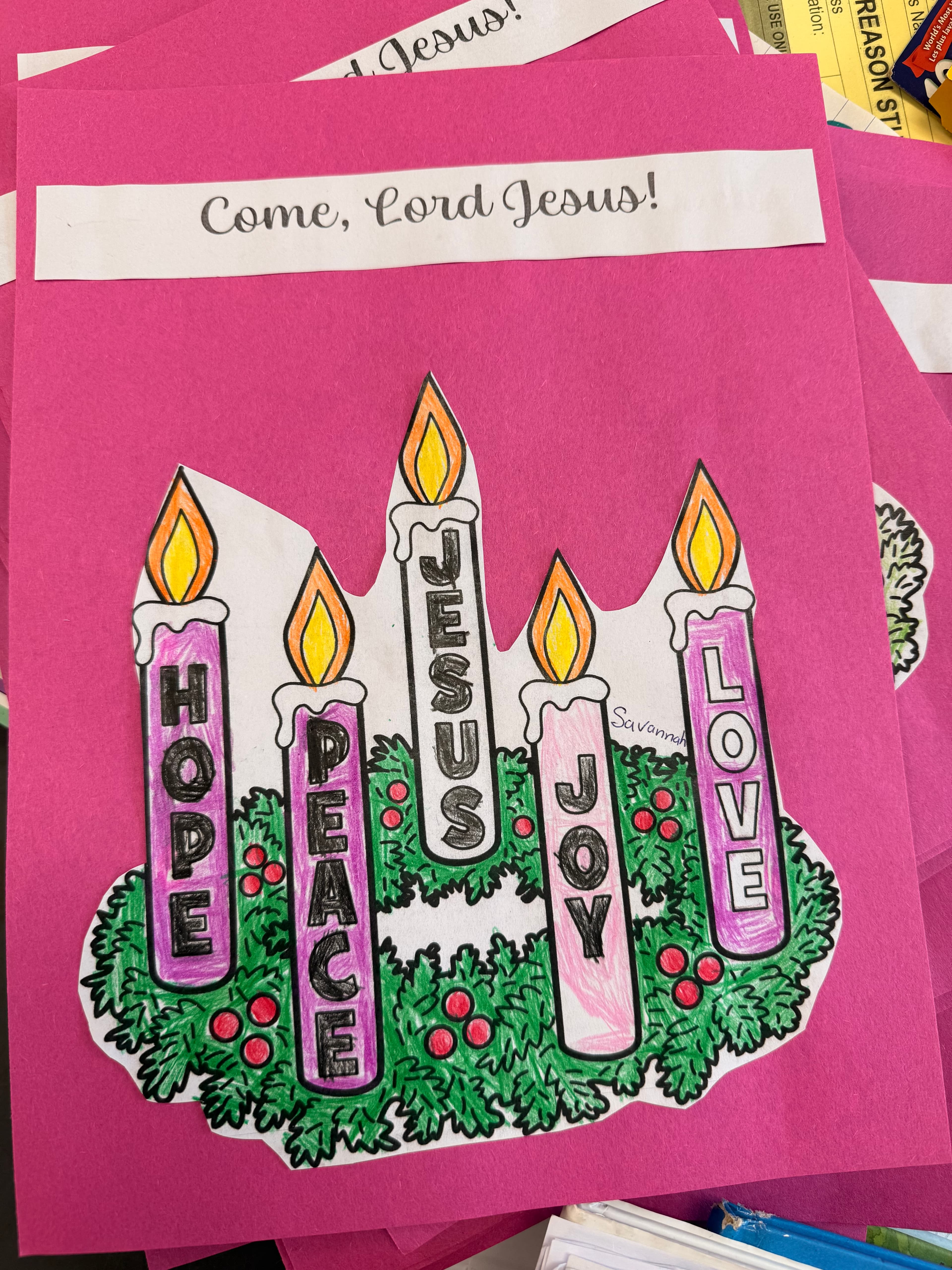
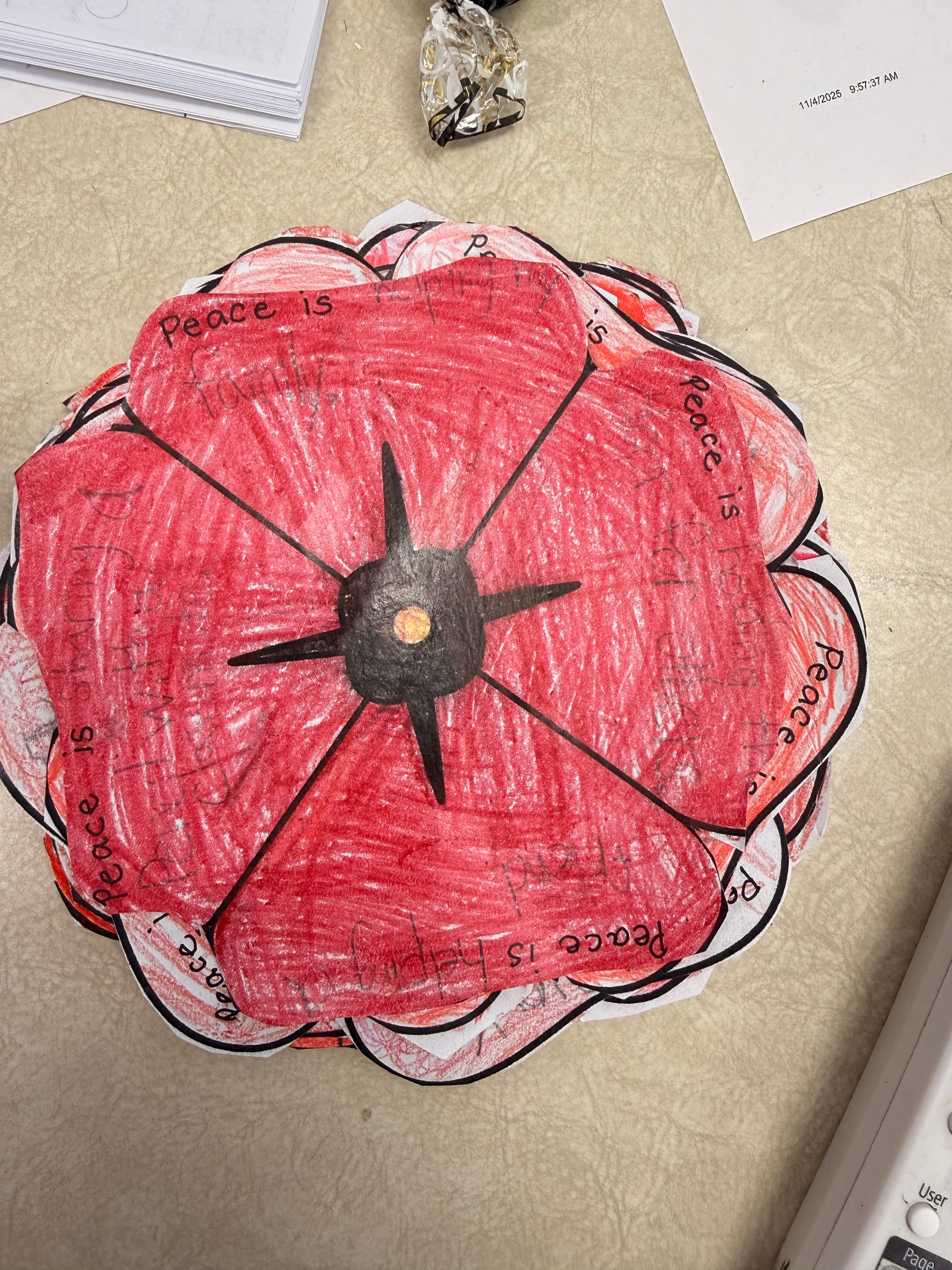
Classroom moments, celebration days, and daily learning scenes captured throughout my practicum placements.
Get in Touch

Whether you're a fellow educator, a faculty advisor, or a school administrator, I'd love to connect. Feel free to reach out with questions, feedback, or opportunities to collaborate.

eum@my.yorku.ca